






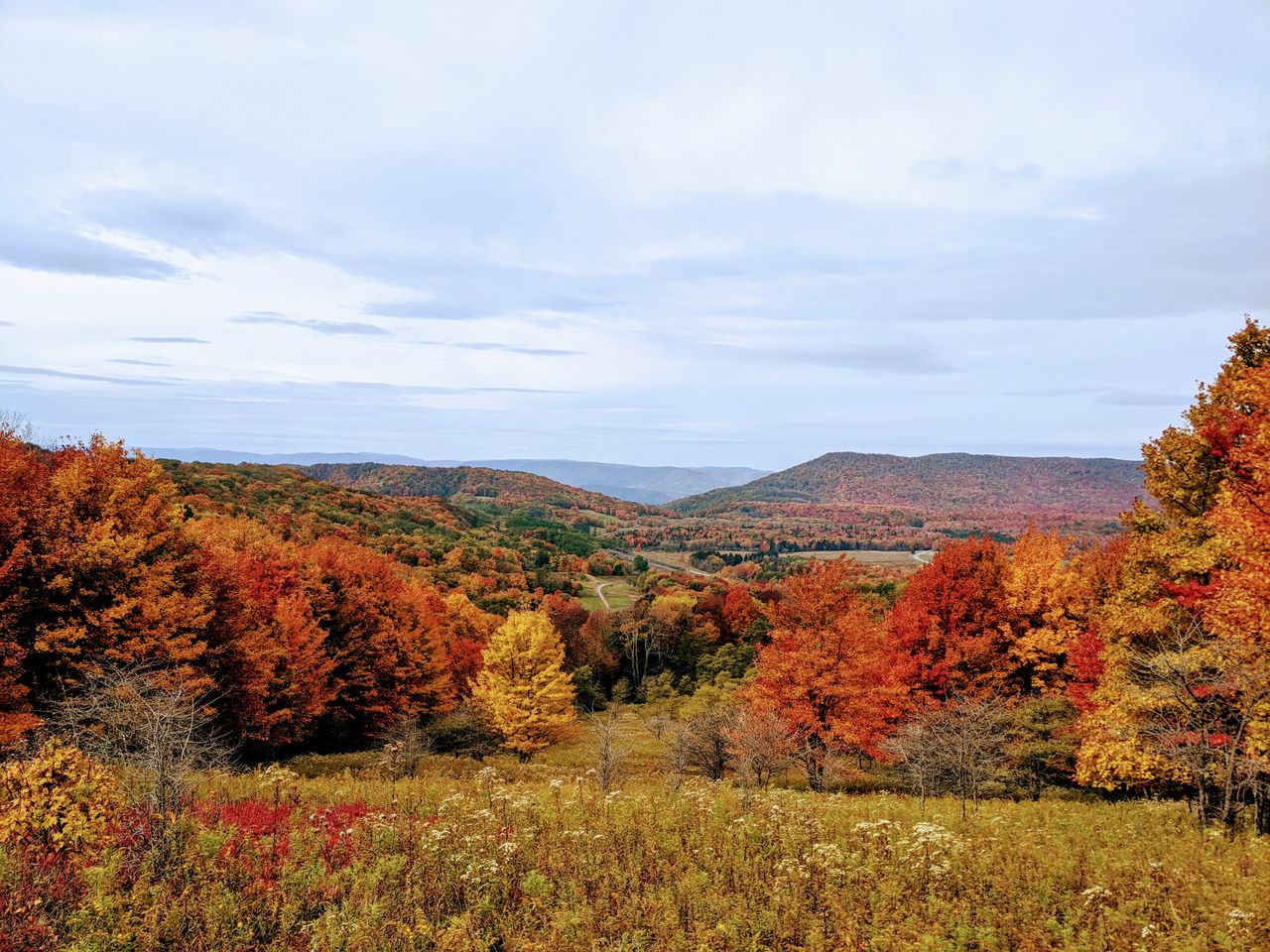
Fall in Northern Virginia brings colorful leaves and cooler temperatures, but it also creates a new maintenance checklist for rental properties. Falling leaves, branches, and seasonal debris can clog gutters and downspouts, while overgrown landscaping and poor drainage can leave a property vulnerable as winter approaches.
Taking care of these exterior maintenance tasks early can help property owners address smaller concerns before they turn into larger repairs.
Here are seven areas to prioritize this fall.
Tip #1: Clarify Landscaping Responsibilities
Before leaves start piling up, make sure everyone knows who is responsible for maintaining the yard. Virginia law requires landlords to keep rental premises in a fit and habitable condition, while allowing landlords and tenants to agree in writing that tenants will perform certain specified maintenance tasks [1].
Rental agreements should clearly establish responsibilities for tasks such as mowing, leaf cleanup, and other routine landscaping. Virginia tenants are also required to keep the portions of the premises they occupy and use as clean and safe as the property's condition permits [2]. Clear expectations can help prevent important seasonal maintenance from being overlooked.
Tip #2: Clear Gutters and Downspouts
Leaves, twigs, and other debris can quickly accumulate in gutters during fall. When gutters or downspouts become clogged, rainwater may overflow rather than drain properly, potentially directing moisture toward the home.
Managing moisture around a building includes paying attention to site drainage, foundations, roofs, and ongoing preventive maintenance [3]. Clearing gutters and downspouts before debris accumulates helps keep rainwater moving where it should.
Tip #3: Address Overgrown or Problematic Tree Limbs
Fall is also a good time to inspect trees around a rental property. Tree pruning may be appropriate when branches are dead, damaged, potentially hazardous, growing into buildings, or large enough to risk damaging property [4].
Pay particular attention to limbs hanging over or scraping against the roof before winter weather and strong winds arrive. Larger or potentially hazardous pruning jobs should be left to qualified professionals.
Tip #4: Check Drainage Around the Foundation
Gutters are only one part of effective water management. Property managers should also check where that water goes after leaving the downspouts.
Redirecting downspout runoff away from the foundation and grading the surrounding ground so it slopes away from the home can help address basement moisture problems [5]. Look for pooling water and areas where runoff is being directed back toward the structure.
Tip #5: Clean Up Landscaping and Outdoor Areas
Remove fallen branches, accumulated leaves, dead vegetation, and other seasonal debris from landscaping as needed. Keep walkways, entrances, stairs, and other tenant-use areas clear and orderly.
This is also an opportunity to identify deteriorating landscaping or exterior conditions that may need attention before colder weather arrives.
Tip #6: Prepare for Fall Pest Activity
Cooler temperatures do not mean pest concerns disappear. In Virginia, some insects begin gathering around homes and buildings in the fall as declining daylight and colder temperatures trigger them to seek sheltered overwintering sites [6].
Inspect exterior gaps and potential entry points before pests get inside. Sealing gaps and crevices can help limit entry, while perimeter or barrier treatments may be useful when applied early enough in the fall [6].
Tip #7: Schedule a Seasonal Property Inspection
A seasonal inspection brings all these maintenance priorities together. Virginia law permits landlords to enter a rental dwelling to inspect the premises and perform necessary or agreed-upon repairs, subject to applicable access and notice requirements [2].
Use the inspection to look for drainage concerns, damaged gutters, problematic branches, pest entry points, exterior deterioration, and other developing maintenance issues. Finding them now provides an opportunity to address problems before winter conditions make repairs more complicated or costly.
Keep Your Northern Virginia Rental Ready for the Season Ahead
Fall maintenance requires more than raking leaves. It means coordinating responsibilities, monitoring exterior conditions, and making sure seasonal concerns do not go unnoticed. Circle Property Management can help property owners stay ahead of routine maintenance and keep rental properties prepared throughout the changing seasons. Contact Circle Property Management today to learn how professional property management can simplify seasonal maintenance coordination and help protect your Northern Virginia rental investment year-round.
Sources:
https://law.lis.virginia.gov/
vacode/title55.1/chapter12/ section55.1-1220/ https://law.lis.virginia.gov/
vacodefull/title55.1/ chapter12/article3/ https://www.epa.gov/indoor-
air-quality-iaq/remodeling- your-home-and-indoor-air- quality
About The Author
 Patrick H. Page - Principal Broker | Licensed in Virginia and the District of Columbia